Get Rare Loot in Magic Loot
Farm bosses and zones efficiently, keep upgrades, and recycle filler without clogging your inventory.
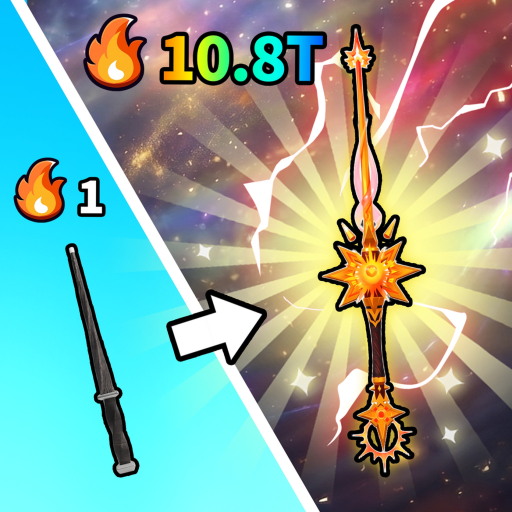
Collect rare loot is the third pillar of Magic Loot’s advertised loop for a reason: incremental training raises numbers, but drops change how those numbers feel. A rare piece might multiply training speed, boss damage, or ingredient yield. This guide explains how to get rare loot consistently during Beta—where to farm, how long to stay, what to keep, and when to sell—without inventing drop percentages that tomorrow’s patch can erase.
Magic Loot is a Roblox Incremental Simulator from Magic Magic +1 +1 +1, live since 2026-07-15 with hundreds of thousands of visits. Rare items drive the social hype you see in chat and thumbnails; they also cause inventory paralysis when every drop looks important. Pair this page with the Loot Tier List and Players / Items for specific routes as the wiki grows.
Where rare loot comes from
Boss kills are the primary source for milestone gear and crafting mats tied to progression gates. If you are stuck before your first meaningful drop, read Beat Bosses before blaming luck.
High-tier training zones sometimes reward passive drops while you grind magic—useful for filler materials, less often for best-in-slot pieces.
Events and updates may add limited sources; track Updates when developers announce new areas or drop tables.
Codes can grant items when active—redeem via Settings gear (Codes). No working codes confirmed July 2026, but campaigns often coincide with milestones.
Farm sessions that respect your time
Define the target. “Better helmet” beats “farm forever.” Check tier list role labels—training, boss, luck—before you start.
Bring the right potions. Luck or drop-quality brews belong in dedicated farms, not random training. See Brew Potions.
Clear inventory first. Full bags cause lost drops or panic sells mid-fight.
Set a wipe or attempt cap. Beta tuning can make a boss inefficient; walk away after N tries and train—Train Magic Fast—instead of tilting.
Log results loosely. Note which boss yielded which slot over several sessions; personal data beats rumor when drop tables are opaque.
Keep, equip, sell, or stash
Use a simple decision tree:
- Does it upgrade a main stat role you need now? Equip immediately and compare HUD numbers.
- Is it side-grade or niche? Stash one copy if collection or crafting matters; sell duplicates.
- Is it tier-listed filler? Sell or recycle unless you need currency for trainers.
- Does it feed potions? Bank ingredients separately from gear—confusing mats with equipment wastes crafts.
When two items look close, test five minutes of training or one boss attempt each. Incrementals reward empirical swaps over spreadsheet cosplay.
Rare loot and rebirth
Some loot scales with level; some is flat. Before How to Rebirth, decide whether to farm a flat bonus piece that stays strong after reset or stop because multipliers make old gear obsolete. The Early Build Guide discusses timing.
Inventory discipline for Beta
Hoarding is the silent progression killer. Players with full bags skip upgrades because comparing items feels tedious. Schedule minute-long inventory passes after every boss session:
- Equip upgrades
- Sell tier-D filler per loot tier list
- Move crafting mats to a mental “potions” bucket
- Delete or recycle broken test pieces from old zones
Mobile players suffer more from clutter—small screens hide compare stats. Use Controls tips to speed up menu navigation.
When to stop farming
Stop when:
- The next boss gate matters more than incremental drop chance.
- Potions or rebirth can solve the bottleneck faster than another hour of farms.
- Tier list ranks your target item as niche for current patch.
- Developers post rebalances—wait and read Updates before investing rare mats.
Continuing anyway is fine for collection fun; just know it is optional, not mandatory progression.
Social hype versus account reality
Chat flexes single lucky drops. Screenshots omit session length and potion cost. If Review or community posts claim “must farm” items, verify against your build role. A rare luck piece helps drop farmers; it may do little for pure training accounts.
Safety and shortcuts
Scripts promising auto-loot or drop hacks belong on Scripts as cautionary notes—they risk bans and teach bad habits.
Tools may later simulate expected runs; until then, avoid third-party executables entirely.
Trading if added in Beta should use official systems only—scams spike around new rares. Confirm via Wiki links to official channels.
Connecting loot to the full loop
Rare loot powers upgrades, enables better potions, and justifies rebirth timing. After a good drop, revisit How to Play mentally: train with new gear, push the next boss, brew with new mats, rebirth when multipliers win. Loot is not a trophy case—it is fuel.
Beta honesty
Drop tables and rarity colors change in incremental Betas. This guide teaches farming structure and inventory decisions, not loot tables copied from datamines that expire in a week. When tooltips disagree with wiki tiers, trust a short in-game test, then update your plan. That keeps Magic Loot progression under your control even when Magic Magic ships a surprise hotfix.
Frequently Asked Questions
Quick answers drawn from the Magic Loot loop.
What is the best way to get rare loot in Magic Loot?
Progress bosses that gate your next slot, use drop or luck potions during focused farms, and clear inventory so new drops are not lost.
Should I keep every rare item?
No. Equip upgrades, stash one niche copy if needed, and sell tier-listed filler using the loot tier list so you can buy trainers.
Do training zones drop rare loot?
Sometimes materials or lower-tier pieces. Bosses remain the main source for milestone gear during Beta.
Does rebirth delete rare loot?
Beta rules vary—read the rebirth confirmation dialog. Some gear persists; some level-scaled items may become weak until you re-progress.