Magic Loot Training Areas
Where to train magic, how area types connect, and when to stop grinding for a boss attempt.
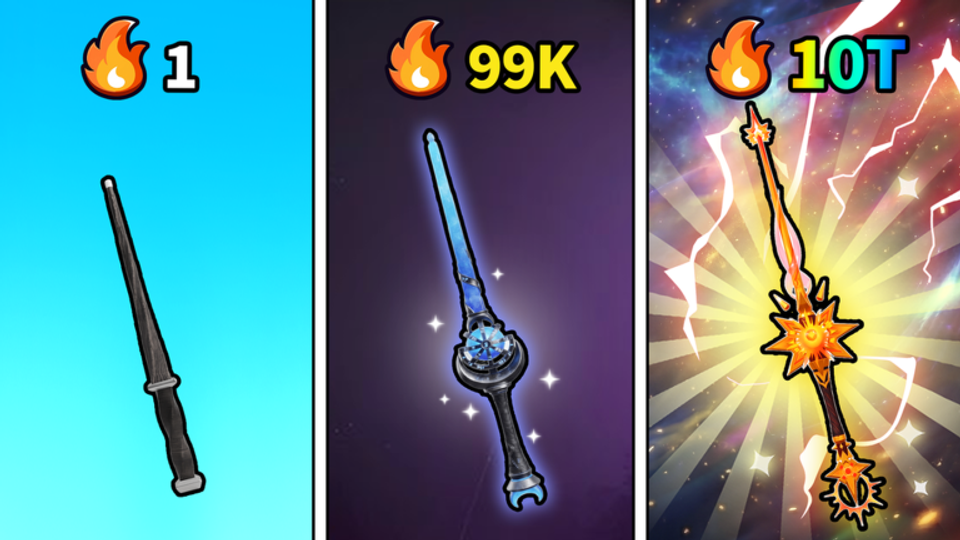
Magic Loot on Roblox is an incremental Beta built around Train Magic, Defeat Bosses, Collect Rare Loot, Upgrade & Rebirth, and Brew Potions. Before you worry about rare drops or rebirth math, you need a honest picture of where training happens and how the world is organized. This guide describes area types players encounter during Beta — hub spaces, training pads or zones, and boss gates — without inventing unofficial map names that do not appear on your HUD.
Place 133188236593503, universe 10506207587, from Magic Magic +1 +1 +1. If a video shows different art or place IDs, close it. Pair this page with Train Magic Fast, Beginner Route, and Controls on mobile.
Why training areas matter
Incrementals reward time in the right zone. Training in a crowded hub corner when a dedicated pad exists wastes clicks. Leaving for bosses too early stalls loot; staying too long delays upgrades and potion ingredients. Area literacy is the difference between a smooth first hour and wandering menus.
Training areas are not separate from the item loop — bosses drop what you equip, potions amplify what you train, and rebirth multipliers scale whatever zone you pick next. Think of areas as stations on a route, not sightseeing.
Area types you will see in Beta
Magic Loot’s world layout can shift during patches, but three functional categories stay consistent in player reports and the official loop description.
Hub and spawn space
When you join, you typically land in a central hub — safe ground with NPCs, shops, upgrade stations, cauldron access, and path markers toward training or bosses. Treat the hub as logistics, not primary grinding:
- Open Settings gear once to locate code redemption
- Spend currency at upgrade panels before walking back out
- Brew or equip potions here so buff timers start on the walk to content
- Read tooltips after patches — menu labels move in Beta
Hub idle time is the main place players waste free boosts from future codes. Plan a training block before you redeem timed rewards on Codes.
Training pads and magic zones
Training areas are spaces where magic power rises through repeated interaction — click trainers, stand on pads, or activate zone objects depending on your client. Signs and UI usually say Train Magic or similar; exact wording varies by patch.
How to pick a train magic zone without a fake map list:
- Follow on-screen arrows or quest prompts from the tutorial — they point to the nearest valid trainer early on.
- Choose the highest zone your magic gate allows — locked doors or grayed prompts mean return after more training or an upgrade from How to Upgrade.
- Prefer dedicated pads over hub corners when both exist — pads often have higher throughput or fewer collision issues.
- Watch your magic number per minute for two minutes in each candidate zone; keep the faster spot unless crowding ruins it.
- Re-test after rebirth — gates and pad efficiency can feel different even when names unchanged.
We deliberately avoid labeling zones with fan-made nicknames. If your HUD shows an official area title, use that in notes; if not, describe by function (“second training pad past shop”) instead of inventing a wiki-only name.
Boss gates and combat spaces
Boss areas sit behind magic or quest gates. UI typically signals Defeat Bosses or shows a named encounter on the official page. These spaces switch the loop from passive training to active combat — potion timing, gear checks, and wipe recovery matter.
Boss zones are not training replacements. Enter when Beat Bosses prep checklist items are met: comfortable magic threshold, potion stock from Brew Potions, and inventory room from Inventory Management.
When to leave training for bosses
Use a simple gate instead of vibes:
- Magic gate green — The boss door or prompt no longer says you are too weak.
- Upgrade plateau — Cheap trainers in How to Upgrade are bought; raw grinding beats spending nothing.
- Quest nudge — Tutorial or quest text explicitly points to an encounter.
- Session goal — You planned one boss attempt this block per Beginner Route.
Return to training when wipes repeat, damage feels negligible, or you need more magic to unlock the next training tier after a boss clear.
Multiplayer crowding
Magic Loot runs online co-op on Roblox servers. Training pads can stack multiple players on the same object. Crowding effects vary by patch:
- Shared pads may split or duplicate gains — watch your personal magic counter, not chat hype.
- Peak hours (~evenings regional time) fill popular pads; try adjacent zones with the same gate requirement.
- Server hop if collision or lag blocks clicks — rejoin from the official page on Wiki.
- Do not grief — blocking pads violates Roblox conduct; report instead of escalating.
Boss instances can also crowd. If adds spawn unpredictably with many players, schedule boss attempts during quieter windows or coordinate with friends in the same server.
Mobile tips and controls
Phone and tablet players feel area layout more painfully — smaller buttons, camera drift, accidental jumps off pads. Read Controls for full input notes; training-area habits:
- Lock camera before long train sessions if your client supports it.
- Tap pad center — edge taps sometimes miss collision.
- Avoid switching apps mid-train; mobile session drops interrupt zone buffs.
- Use two hands when opening Settings gear near pad edges.
- Lower graphics if frame drops cause missed clicks in busy hubs.
If UI buttons moved after an Updates patch, re-walk hub to training path once before blaming zone efficiency.
Video reference
Community footage helps orientation when patch art changes. The embed above shows a real @Roblox magic Loot training session — use it to compare pad layout and hub flow with your client. Videos age quickly in Beta; always confirm gates in-game.
Route tying areas together
A minimal loop crossing all area types:
- Spawn hub — upgrades and potion prep
- Training zone — magic until gate clears
- Boss gate — one attempt with checklist
- Hub — inventory sort, brew, rebirth check
- Next training tier or farm per Get Rare Loot
Repeat. Adjust timing with Rebirth Planner when upgrades flatten.
Related pages
| Topic | Link |
|---|---|
| Training efficiency | Train Magic Fast |
| First session path | Beginner Route |
| Boss attempts | Beat Bosses |
| Bag discipline | Inventory Management |
| Patch changes | Updates — including August 2026 Status |
| Input help | Controls |
Beta honesty
Area names, pad counts, and gate thresholds change without notice. This guide describes roles — hub, train, boss — not a permanent atlas. When tooltips disagree with any wiki page, trust five minutes of live testing, then check Updates for hotfixes. We do not invent hidden zones or unreleased map codenames.
Frequently Asked Questions
Quick answers drawn from the Magic Loot loop.
What are the main training area types in Magic Loot?
Players typically use a central hub for upgrades and brewing, dedicated Train Magic pads or zones for power growth, and gated boss spaces for combat. Exact labels vary by Beta patch.
How do I pick the best Train Magic zone?
Use the highest zone your magic gate allows, compare magic gained per minute for two minutes, and prefer dedicated pads over crowded hub corners when throughput is higher.
When should I stop training and fight a boss?
When the boss gate or quest prompt no longer blocks you, cheap upgrades are bought, and you have potions plus inventory space for drops.
Does multiplayer crowding affect training pads?
Yes, busy servers can add lag or pad sharing. Watch your personal magic counter, try adjacent zones, or hop servers if clicks fail consistently.